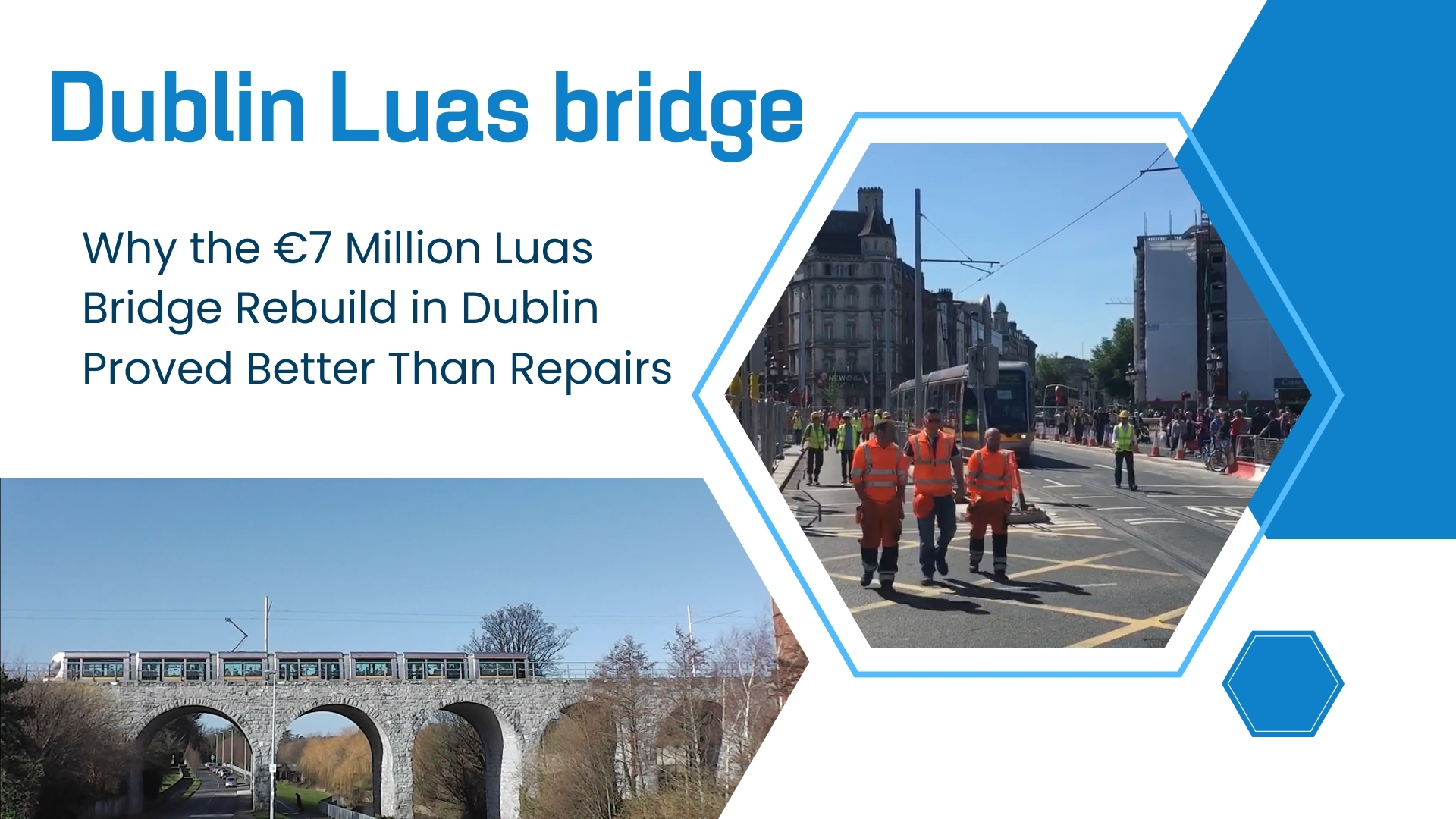
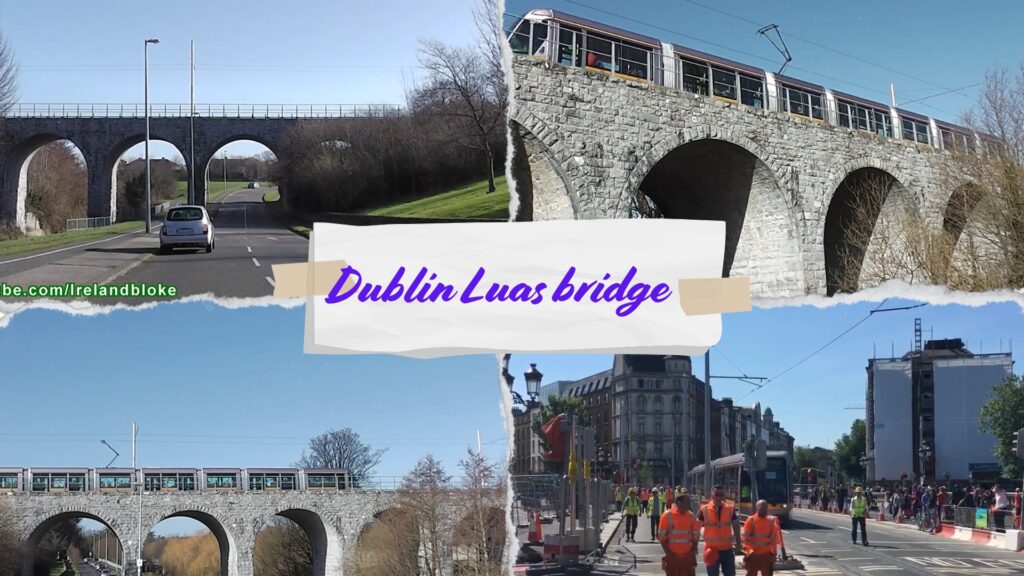
Dublin Luas bridge: In the heart of Dublin, a fierce fire erupted in August, engulfing the George’s Dock Bridge and bringing Luas tram operations to a sudden standstill. The intense heat, soaring up to 1,000 degrees Celsius, twisted metal structures and weakened concrete foundations, creating a scene of widespread destruction. Emergency teams rushed to contain the flames, but the damage was already extensive, affecting not just the bridge but also the daily commutes of thousands. This incident highlighted the vulnerabilities in urban infrastructure, prompting immediate safety checks across similar sites.
As investigators delved into the aftermath, they uncovered a ruptured gas pipeline as a likely fuel source for the blaze, though no official cause was confirmed. The event disrupted public transport, forcing riders to seek alternatives and straining the city’s mobility network. Local businesses near the dock area reported losses due to reduced foot traffic, underscoring the economic ripple effects. Moving forward, this tragedy served as a wake-up call for enhanced maintenance protocols to prevent future calamities.
Evaluating the Structural Havoc
Engineers from the firm Arup conducted a thorough inspection of the compromised bridge, revealing buckled steel girders and cracked concrete plinths that had lost their load-bearing capacity. The rails designed for smooth tram passage were deformed beyond safe use, while protective handrails melted under the extreme temperatures. This detailed assessment painted a grim picture of the bridge’s integrity, making it clear that superficial fixes wouldn’t suffice. The report emphasized the need for comprehensive testing to ensure no hidden weaknesses remained.
Beyond visible distortions, the damage extended to critical bearings and support elements, complicating any potential restoration efforts. Specialists noted that the concrete deck had suffered irreversible harm, necessitating its complete removal if repairs were pursued. This level of deterioration raised concerns about long-term reliability, especially for a structure vital to Dublin’s transport system. Ultimately, the evaluation process underscored the importance of prioritizing safety over hasty solutions in public infrastructure projects.
Comparing Costs: Repair or Rebuild?
Weighing the options, experts concluded that attempting to repair the bridge would involve intricate procedures like heat-straightening metal and recasting concrete, potentially dragging on for months. Such an approach carried risks of incomplete fixes, leading to a patchwork structure prone to future issues. Cost estimates suggested that mending the damage could rival or surpass the expense of a full replacement, making it a less appealing choice. This analysis brought to light the financial prudence of investing in durable, modern alternatives.
On the flip side, constructing a new bridge promised a fresh start with advanced materials and a projected lifespan exceeding 100 years. While initial outlays seemed high, the strategy of off-site fabrication allowed for quicker assembly, minimizing downtime. Engineers argued that this method not only ensured structural integrity but also simplified ongoing upkeep, offering better value for public funds. In essence, the comparison revealed that sometimes, starting anew is the most economical path in the face of severe destruction.
The Path to Reconstruction
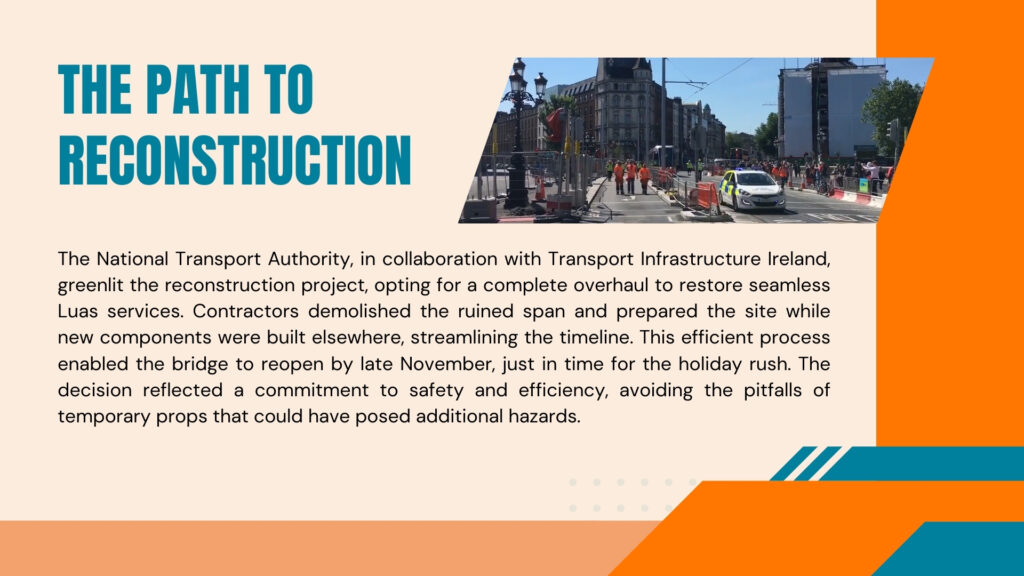
The National Transport Authority, in collaboration with Transport Infrastructure Ireland, greenlit the reconstruction project, opting for a complete overhaul to restore seamless Luas services. Contractors demolished the ruined span and prepared the site while new components were built elsewhere, streamlining the timeline. This efficient process enabled the bridge to reopen by late November, just in time for the holiday rush. The decision reflected a commitment to safety and efficiency, avoiding the pitfalls of temporary props that could have posed additional hazards.
Funding for the endeavor came from the authority’s budget, with the Luas operator handling rail reinstallation separately. Insurance claims are underway to recoup portions of the costs, ensuring minimal burden on taxpayers. This coordinated effort demonstrated strong governance in crisis management, setting a benchmark for similar incidents. By choosing rebuild over repair, officials aimed to deliver a resilient asset that supports Dublin’s growing urban demands.
Reopening and Broader Lessons
With the new bridge operational, tram services resumed without hitches, alleviating commuter frustrations and boosting local commerce during peak seasons. The project’s swift completion, achieved in over three months, showcased the effectiveness of accelerated construction techniques. Riders now benefit from enhanced durability and reduced maintenance needs, contributing to a more reliable public transit network. This success story reinforces the value of proactive investment in infrastructure upgrades.
Looking ahead, the incident prompts discussions on preventive measures, such as regular inspections of gas lines and fire-resistant materials in key structures. Stakeholders, including engineers and policymakers, are reviewing protocols to mitigate risks in densely populated areas. The rebuild not only restored connectivity but also highlighted the interplay between technology and urban planning. As Dublin evolves, such experiences will shape more robust systems for future generations.
Conclusion
In summary, the devastating fire on Dublin’s George’s Dock Bridge led to a strategic choice: a €7 million rebuild that offered superior value, safety, and longevity compared to repairs. This approach, guided by expert assessments, ensured quick restoration of vital Luas services while optimizing taxpayer resources. It stands as a testament to thoughtful decision-making in infrastructure crises, blending efficiency with foresight.
This event compels us to reflect on the fragility of urban networks and the need for ongoing vigilance. By embracing innovative construction methods, cities can turn setbacks into opportunities for improvement, fostering trust in public systems. What lessons can other metropolises draw to safeguard their own transport hubs?
FAQs
1. What caused the fire that damaged the George’s Dock Bridge?
A major fire broke out beneath the bridge on August 19, 2025, fueled by a ruptured gas pipeline in Dublin’s Docklands area. The intense blaze reached temperatures of up to 1,000 degrees Celsius, causing severe structural damage without any reported injuries to passengers or staff.
Emergency services, including Dublin Fire Brigade and Gas Networks Ireland, responded quickly to control the flames. Investigations into the exact ignition source are ongoing, but the incident highlighted risks associated with underground utilities near critical infrastructure.
2. When did the Luas Red Line services resume after the incident?
Full Luas Red Line services between Connolly and The Point resumed on November 28, 2025, just over three months after the fire. This timely reopening came ahead of the busy Christmas season, restoring connectivity to the Docklands.
The swift completion was achieved through intensive construction efforts, including off-site fabrication of new bridge components. Passengers benefited from the return of normal operations, with added late-night services announced for the holiday period.
3. Why was a full rebuild chosen over repairing the existing bridge?
Engineering assessments revealed extensive damage, including buckled steel girders, cracked concrete, and melted components, making repairs technically challenging and costly. Experts determined that fixing the old structure could cost as much as or more than a new one, resulting in a patchwork fix with limited longevity.
Opting for a €7 million rebuild ensured a modern, durable bridge with a lifespan exceeding 100 years. This decision prioritized long-term safety and value for public funds over short-term solutions.
4. How much did the Luas bridge rebuild cost and who funded it?
The total cost for replacing the bridge structure was approximately €7 million, funded primarily by the National Transport Authority (NTA) through Transport Infrastructure Ireland (TII). The Luas operator, Transdev, separately covered the reinstatement of rails and overhead systems.
Insurance claims are being processed to recover portions of these expenses. This approach minimized the direct impact on taxpayers while delivering a high-quality replacement.
5. What was the extent of the structural damage from the fire?
The fire caused visible buckling of steel girders, loss of concrete strength in bearing plinths, and deformation of rails and protective elements. Bearings were exposed to direct flames, leading to irreversible weakening of the bridge’s load-bearing capacity.
Detailed inspections by engineering firm Arup confirmed that the heat compromised the entire deck, making it unsafe for continued use without major intervention. No hidden issues have been reported post-rebuild.
6. Were there alternative transport options during the Luas disruption?
Yes, a dedicated replacement bus service operated frequently between Connolly and The Point, accepting valid Luas tickets and Leap Cards. These buses were fully accessible and ran during normal Luas hours to support commuters.
Dublin Bus routes also accepted Luas tickets for the affected section. This ensured minimal inconvenience for the approximately 20,000 daily passengers impacted by the closure.
7. Is the new George’s Dock Bridge safer than the original?
The rebuilt bridge incorporates advanced materials and design improvements for enhanced durability and fire resistance. It features a longer projected lifespan and easier maintenance compared to the previous structure.
Collaborative efforts by TII, contractors, and regulators included rigorous safety checks before reopening. This upgrade sets a higher standard for urban infrastructure resilience in Dublin.
8. Who was involved in the reconstruction project?
Key players included Transport Infrastructure Ireland (TII) leading demolition and rebuild, contractors like Jons Civil Engineering and ROD, and the Luas operator Transdev for rail works. The Docklands Bridge Remedial Works Group coordinated with Dublin City Council and others.
Engineering expertise from Arup informed decisions. This multi-agency collaboration enabled the accelerated timeline and successful outcome.
9. Has the incident led to any changes in infrastructure safety protocols?
The event has prompted reviews of gas line inspections and fire-resistant features in similar structures across Dublin. Authorities are emphasizing preventive measures to protect vital transport links.
Ongoing discussions focus on enhanced monitoring of utilities near bridges. Lessons learned aim to strengthen overall urban transport safety.
10. What impact did the fire have on daily commuters and local businesses?
Thousands of daily commuters faced detours, relying on replacement buses and alternative routes for over three months. The disruption affected access to the growing Docklands business and residential areas.
Local businesses experienced reduced foot traffic initially, but the quick rebuild mitigated long-term economic effects. Passenger numbers have since rebounded strongly.
11. Will the new bridge support future Luas expansions or increased capacity?
The rebuilt structure is designed for reliability and low maintenance, accommodating current Red Line demands efficiently. It aligns with Dublin’s growing public transport needs in the Docklands.
While no immediate expansions are tied to this project, the robust design provides a solid foundation for potential future enhancements in the network.
12. Where can I find updates on Luas services or similar incidents?
Official sources include the Luas website, TII updates, and NTA announcements for real-time service information. Social media channels from Luas and Transdev also provide timely alerts.
For historical details, reports from RTE and The Irish Times offer comprehensive coverage of the rebuild process and outcomes.